
Historical Milestones in Elo Rating: How Top Grandmasters Broke Rating Records
The Elo rating system has been used for decades to evaluate chess skill and rank players internationally. While many grandmasters steadily climb the rating ladder, only a select few have completely shattered rating ceilings, setting new milestones that changed how we perceive elite performance. In this article, we’ll explore some of the most remarkable moments in Elo history and examine how top players secured their places among the all-time greats.
Understanding Elo Peaks
Every so often, a new generation of chess prodigies emerges—armed with improved theory, computer-aided training, and unprecedented dedication. These factors often lead to sudden jumps in performance and rating. Each of the following grandmasters not only reached impressive peaks but also raised the bar for everyone else to follow.
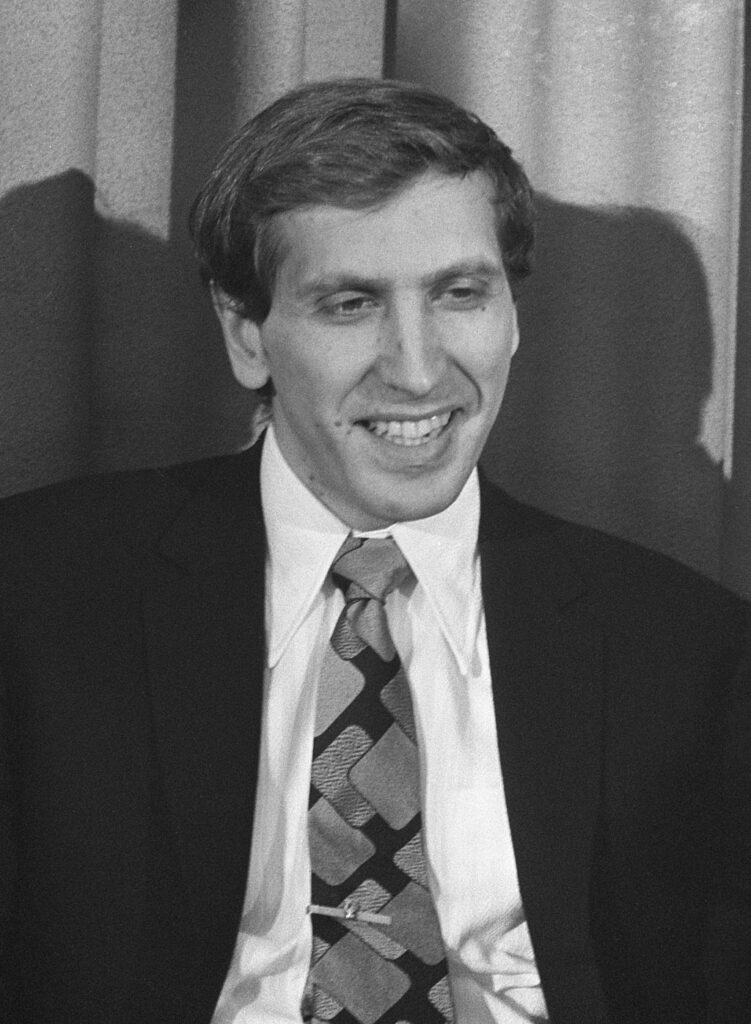
Bobby Fischer: The Early Trailblazer
Peak Rating: ~2785 (1972, unofficial by today’s FIDE standards)
Key Achievement: Dominating the world of chess in the early 1970s
Bobby Fischer remains one of the most iconic figures in chess history. Although official FIDE ratings were still in their infancy during his prime, many estimates suggest he hovered around 2785. This rating was exceptional for that era, pushing boundaries and inspiring future generations. Fischer’s relentless study habits, preparation, and single-minded focus demonstrated that individual effort could drastically outpace contemporary competition.
Anatoly Karpov: Dominance in the Post-Fischer Era
Peak Rating: 2780+ (late 1970s to 1980s)
Key Achievement: Longest reign as the official World Champion without losing the title in a match
When Fischer forfeited his title, Anatoly Karpov became World Champion by default. Karpov’s consistent tournament victories throughout the 1980s solidified his high Elo rating. He famously adapted to the emerging computer era of analysis, ensuring he stayed ahead of the curve. His stable style, strategic depth, and endgame technique further lifted the global average rating bar.
Garry Kasparov: Breaking the 2800 Barrier
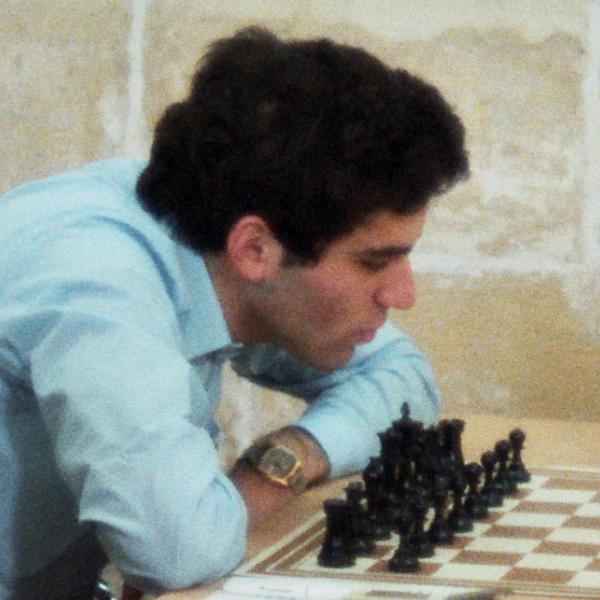
GFHund, CC BY-SA 3.0 https://creativecommons.org/licenses/by-sa/3.0, via Wikimedia Commons
Peak Rating: 2851 (achieved in 1999)
Key Achievement: First player to break the 2800 Elo rating and hold the #1 spot for nearly two decades
Garry Kasparov is synonymous with breaking records. He was the first grandmaster to cross the 2800 Elo threshold officially. Throughout the 1980s and 1990s, his approach to preparation—blending deep theoretical knowledge with computer-assisted analysis—was revolutionary. In 1999, Kasparov hit an Elo peak of 2851, a record that stood unchallenged for over a decade.
Vladimir Kramnik: Understated Yet Resilient
Peak Rating: 2811 (2002)
Key Achievement: Defeating Kasparov in a World Championship match without losing a single game
Though not as flashy as Kasparov’s or Carlsen’s runs, Vladimir Kramnik’s ascent to 2811 was a testament to his iron-clad defense and positional understanding. His style was more subtle, yet devastatingly effective. He dethroned Kasparov in 2000 and held high ratings consistently for years, proving that even the best in the world had to adapt to new styles and methods.
Magnus Carlsen: Redefining Modern Chess
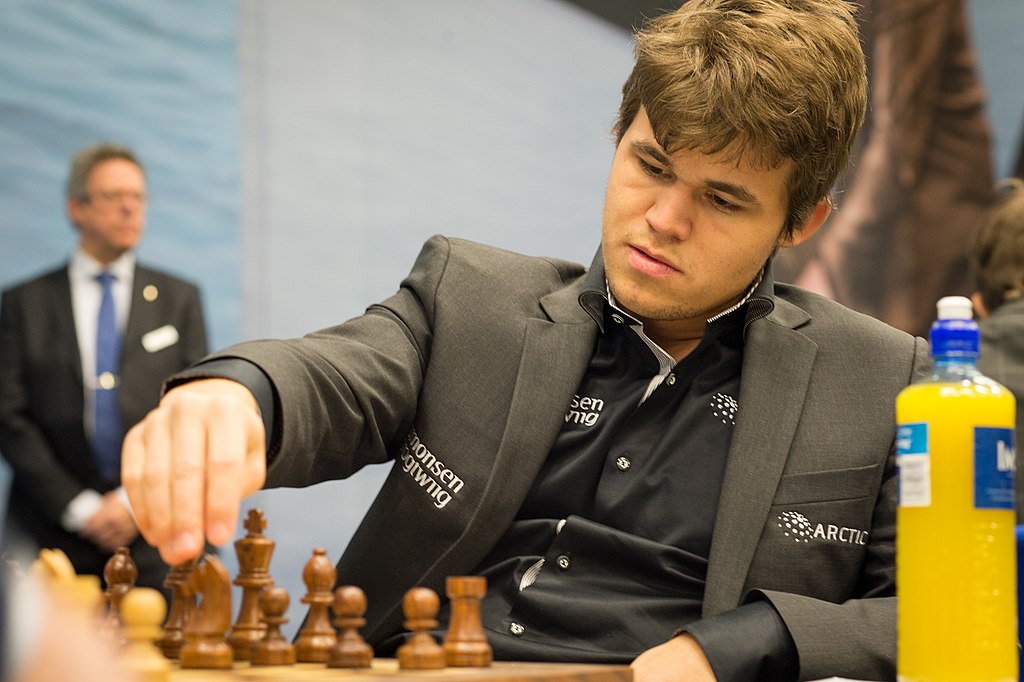
Frans Peeters; Flikr page at https://www.flickr.com/photos/suspeeters/, CC BY-SA 2.0 https://creativecommons.org/licenses/by-sa/2.0, via Wikimedia Commons
Peak Rating: 2882 (achieved in 2014)
Key Achievement: Highest official Elo rating in history
The Norwegian prodigy took the chess world by storm, dominating tournaments from a young age. By 2013, he became World Champion, and just a year later, he reached an unprecedented Elo peak of 2882—breaking Kasparov’s longstanding record. Carlsen’s uncanny ability to grind out wins in seemingly equal endgames has made him the definitive player of the modern era. His high rating is a testament to both a supreme positional sense and a tireless work ethic.
Elo Milestones in Perspective
- Evolution of Chess Theory
- Each new rating milestone often correlates with revolutionary leaps in opening theory and training methods.
- Computer Assistance
- The rise of powerful chess engines provided deeper insights into positions, pushing top grandmasters to refine their repertoires and strategies.
- Global Competition
- A more connected world has led to stronger and more frequent tournaments. Elite players face each other regularly, amplifying rating swings and higher peaks.
Will 2900+ Become a Reality?
With Magnus Carlsen still competing at the highest level—and other prodigies like Alireza Firouzja rapidly climbing the ranks—many speculate whether anyone will reach 2900 Elo. While challenging, it’s not impossible. As training resources expand and technology continues to evolve, the next big milestone may be closer than we think.
Key Takeaways
- Records Are Meant to Be Broken: Each generation finds new ways to push the boundaries of chess skill and rating.
- Preparation Is Critical: The common thread among record-breakers is an unmatched work ethic and advanced preparation methods.
- Elo Is Relative: Ratings evolve as the player pool and knowledge base expand, making high peaks more attainable over time.
Chess Elo ratings don’t just measure skill; they serve as historical markers of the game’s evolution. Understanding these milestones highlights the interplay between technology, global talent, and individual genius that continues to shape the world of chess.
Leave a Reply